
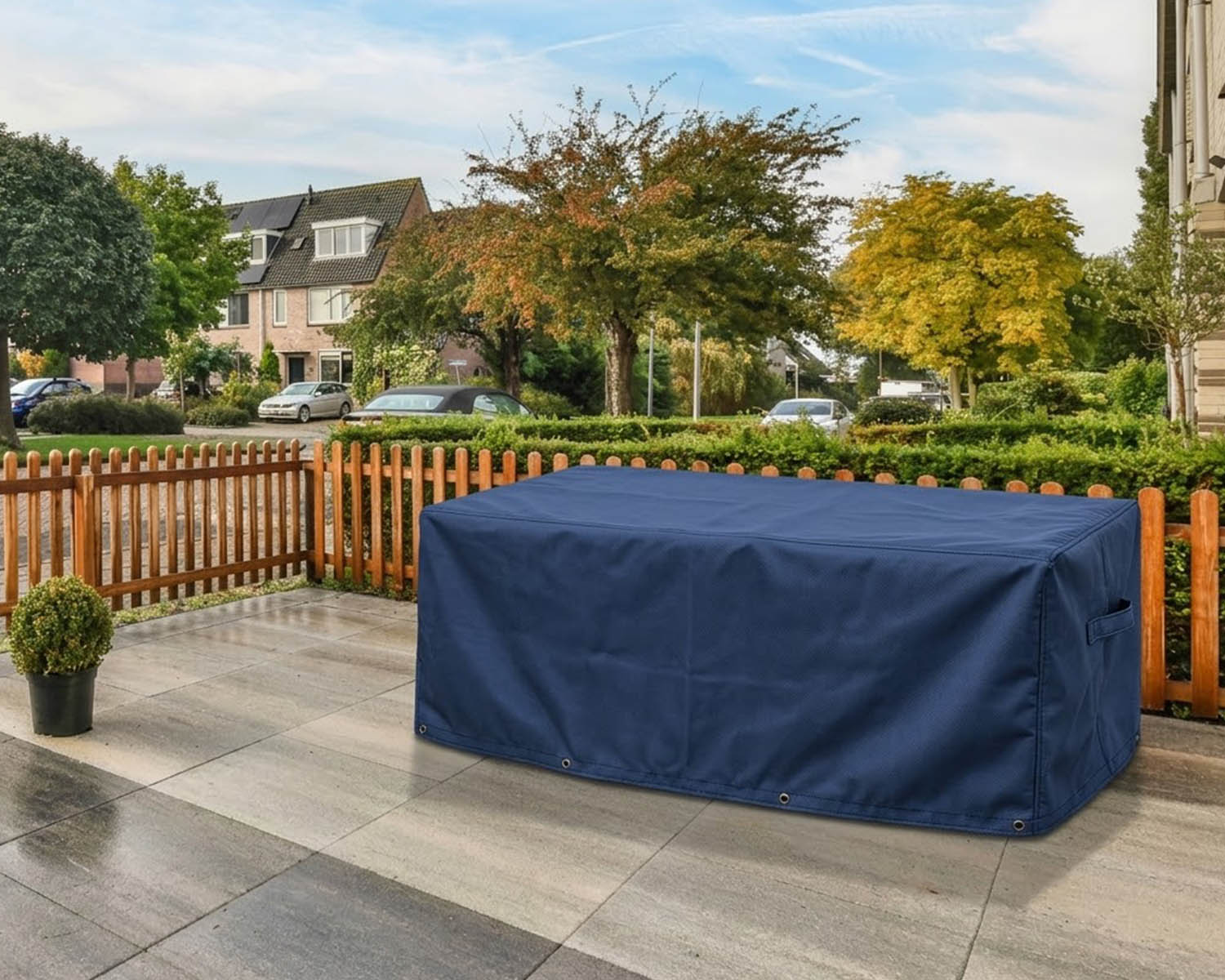
Selecting the right cover might seem straightforward, but with so many options available, making the best choice requires careful consideration. A well-chosen cover not only provides protection but also ensures durability and ease of use.
Understand Your Environment
The first step in choosing the right cover is understanding the conditions it will face. If your items are exposed to strong sunlight, UV-resistant materials are essential. In areas with frequent rain, waterproof or water-resistant covers are a must. Windy environments may require covers with secure fastening systems.
Material Matters
Different materials offer different levels of protection. High-quality fabrics provide better durability and resistance to tearing. Breathable materials help prevent moisture buildup, reducing the risk of mold and mildew. Always look for covers that balance strength with ventilation.
Proper Fit Is Key
A cover that is too loose may be blown away by wind, while one that is too tight can be difficult to install and may not provide full coverage. Measuring your items accurately and selecting the correct size ensures optimal protection.
Ease of Maintenance
The best covers are easy to clean and maintain. Look for materials that can be wiped down or rinsed with water. Low-maintenance covers save time and keep your items looking their best with minimal effort.
Customization Options
Sometimes, standard sizes don’t meet specific requirements. Custom covers provide a tailored fit, offering better protection and a more professional appearance. They are especially useful for uniquely shaped items.
Conclusion
Choosing the right cover involves more than just picking a size. By considering environmental factors, material quality, and fit, you can ensure maximum protection and long-term value.
Share:
Why Protective Covers Are Essential for Extending Product Lifespan
The Benefits of Using Covers Year-Round